Saudi Arabia Sets Conditions for Israel Recognition Before Trump Meeting
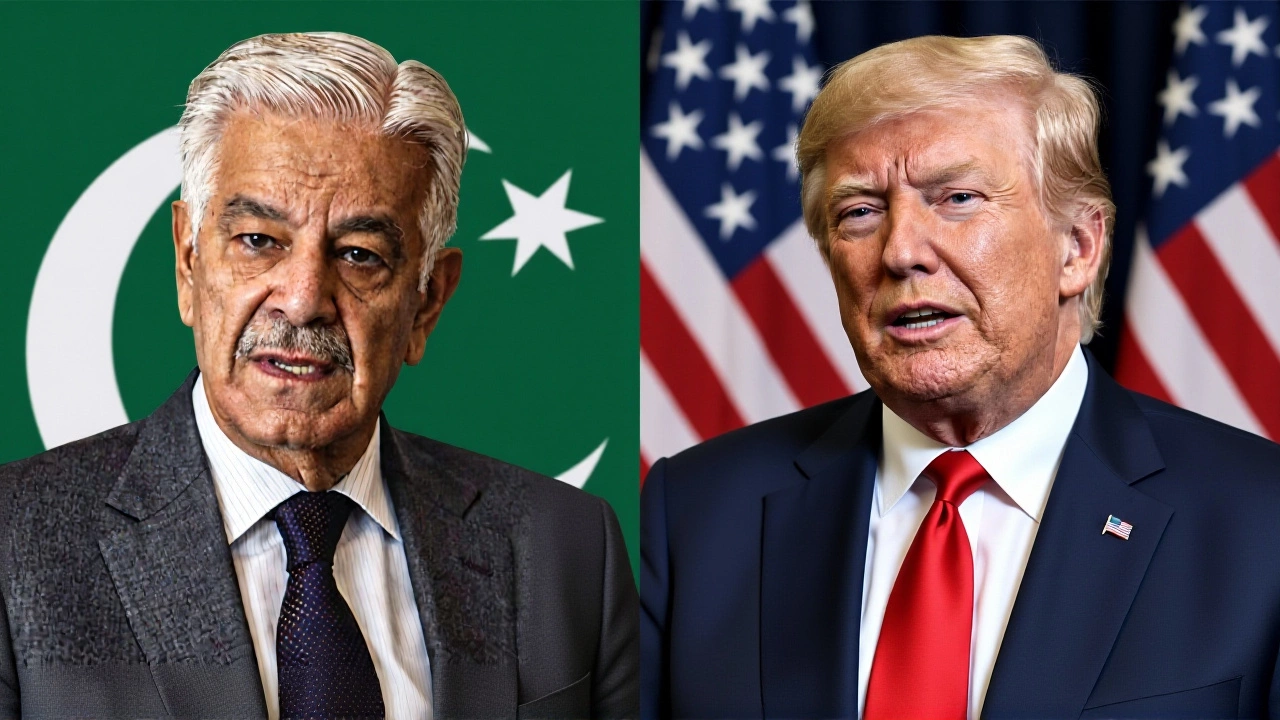
When Mohammed bin Salman, Crown Prince of Saudi Arabia, prepares to step into the Oval Office next month, he isn't coming empty-handed. He’s bringing a hardline list of demands that could reshape the Middle East—or leave the diplomatic table cold. The crown prince has made it clear: recognition of Israel is off the menu unless Washington delivers a concrete roadmap for a Palestinian state.
The stakes are sky-high as MBS heads to Washington D.C. for talks with U.S. President Donald Trump on November 18. This isn't just another diplomatic handshake; it's a potential earthquake in global geopolitics. For decades, Saudi Arabia has stood firm against normalizing ties with Israel without a resolution to the Palestinian conflict. Now, under intense American pressure to expand the Abraham Accords, Riyadh is drawing a line in the sand.
The Non-Negotiable Condition
Here’s the thing: Saudi officials have signaled to the Trump administration that their position hasn’t budged. According to reports from Reuters citing two reliable sources, Riyadh will only sign onto the Abraham Accords framework if there is an agreed-upon path toward establishing a sovereign Palestinian state. It’s a stark reminder that while other Gulf nations like the UAE, Bahrain, and Morocco joined the accord in 2020, Saudi Arabia sees itself as the guardian of Arab consensus on this issue.
The Saudis are wary of any "diplomatic blunder." They want to ensure they’re fully aligned with Washington before making any public announcements. One source noted that the goal is to avoid confusion or misinterpretation during the high-profile meeting at the White House. Without a clear plan for Palestine, the crown prince won’t risk domestic backlash or alienating the broader Muslim world.
More Than Just Diplomacy
But wait—it’s not all about peace treaties. The upcoming summit is also a massive business deal waiting to happen. Saudi Arabia is seeking advanced technology transfers, expanded joint military exercises, and accelerated deliveries of U.S. weapons systems. Crucially, Riyadh wants a limited defense agreement that could eventually evolve into a full treaty. Think of it as a security umbrella: protection in exchange for deeper strategic integration with the United States.
This dual-track approach—peace normalization paired with ironclad security guarantees—reflects MBS’s broader vision. He wants to position Saudi Arabia not just as an oil powerhouse but as a regional tech and military hub. However, the Palestinian issue remains the elephant in the room. Complicating matters further, some reports suggest internal friction within the royal family, with King Salman potentially acting as a brake on rapid normalization efforts.
The Abraham Accords Context
To understand why this matters, look back at 2020. The Abraham Accords were a historic breakthrough brokered by the Trump administration, allowing the UAE, Bahrain, and Morocco to normalize relations with Israel. It shifted the geopolitical landscape, isolating Iran and creating new economic corridors. Now, Trump is pushing hard to bring Saudi Arabia into the fold, viewing it as the final piece of the puzzle. Senator Lindsey Graham has even hinted that Qatar and Pakistan might follow suit down the line.
Yet, the dynamics are different today. Tensions with Iran remain high, and the humanitarian crisis in Gaza has intensified global scrutiny. Any move by Saudi Arabia to recognize Israel without addressing Palestinian aspirations would be politically toxic domestically and regionally. As one analyst put it, "You can’t separate the two issues anymore."
What Happens Next?
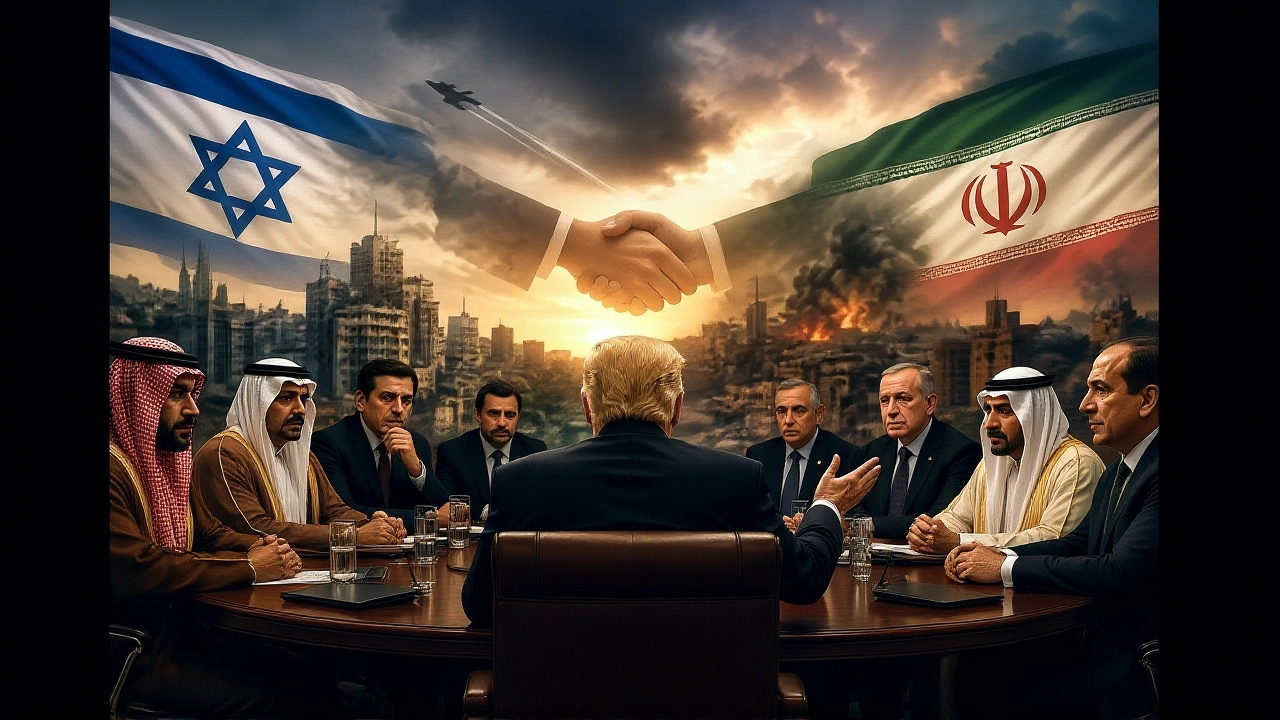
All eyes are now on November 18. Will Trump offer enough concessions on Palestine to sway MBS? Or will the crown prince hold firm, demanding substantive progress before committing? The outcome will define U.S.-Saudi relations for years to come. If successful, it could lead to unprecedented cooperation in defense, energy, and technology. If it fails, the status quo remains—but the pressure won’t disappear.
For now, the message from Riyadh is clear: no Palestinian roadmap, no deal. It’s a bold stance that underscores Saudi Arabia’s growing confidence on the world stage. Whether Trump can bridge the gap remains the biggest question in Middle Eastern diplomacy right now.
Frequently Asked Questions
Why is Saudi Arabia insisting on a Palestinian state?
Saudi Arabia views itself as the leader of the Arab and Muslim world. Recognizing Israel without a solution for Palestinians would undermine its legitimacy and provoke significant domestic unrest. The kingdom has long championed the Palestinian cause as a core principle of its foreign policy, making it a non-negotiable condition for normalization.
What are the Abraham Accords?
The Abraham Accords are a series of normalization agreements signed in 2020 between Israel and several Arab nations, including the UAE, Bahrain, and Morocco. Brokered by the U.S., these deals ended decades of hostility and opened doors for trade, tourism, and diplomatic engagement. Saudi Arabia is currently being urged to join this framework.
What does Saudi Arabia want in return?
Beyond political recognition, Saudi Arabia seeks a robust security partnership with the U.S. This includes advanced technology transfers, joint military training, priority access to American weapons, and a formal defense agreement. These elements are crucial for Riyadh’s strategy to diversify its economy and enhance regional security.
Who is Mohammed bin Salman?
Mohammed bin Salman (MBS) is the Crown Prince and de facto ruler of Saudi Arabia. He has been driving the kingdom’s ambitious modernization agenda, known as Vision 2030, which aims to reduce dependence on oil and transform Saudi Arabia into a global investment hub. His foreign policy is assertive and focused on securing Saudi interests.
What is the significance of the November 18 meeting?
The meeting between Donald Trump and Mohammed bin Salman at the White House is seen as a critical juncture for U.S.-Saudi relations. It offers a chance to finalize major defense and economic deals. However, its success hinges on whether the U.S. can address Saudi concerns regarding Palestine, making it a pivotal moment for Middle Eastern stability.