Rahul Gandhi Warns Congress: Don't Celebrate TMC's Loss
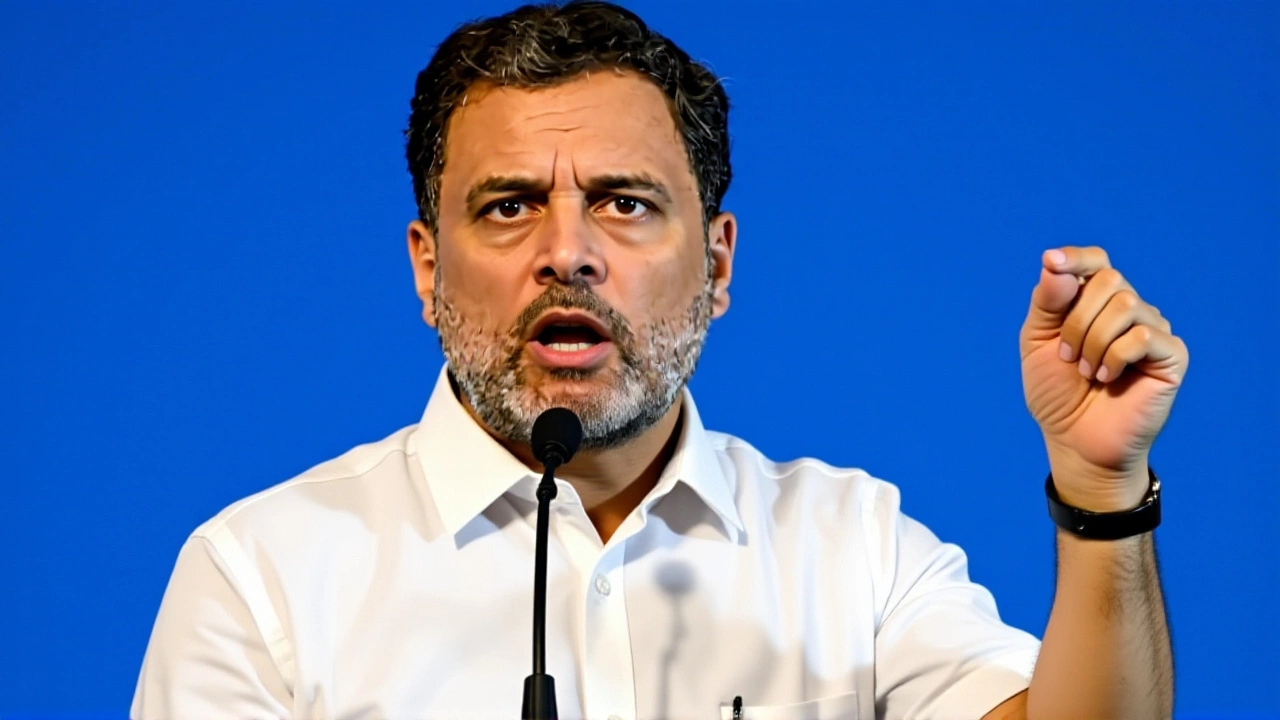
When Rahul Gandhi, Leader of the Opposition in Lok Sabha, saw some Congress leaders celebrating the defeat of Trinamool Congress (TMC) in West Bengal, he didn't join the party. Instead, he issued a stark warning: "Today it happened to Mamata Banerjee's party; tomorrow it could be your turn." The message was clear—this isn't just an election loss. It's a systemic threat.
The context is critical here. While many opposition figures viewed the recent assembly polls as a simple shift in power, Gandhi framed it as an attack on democratic institutions themselves. He argued that the alleged manipulation of votes in West Bengal and Assam sets a dangerous precedent for every other political party, including his own.
The 'Stolen Mandate' Narrative
Gandhi’s stance hinges on the claim that the election results were engineered rather than earned. On X (formerly Twitter), he posted unequivocally: "There are clear cases of elections being stolen in Assam and Bengal by BJP with the help of the Election Commission. We agree with Mamata Ji. More than 100 seats have been stolen in Bengal."
This aligns directly with claims made by Mamata Banerjee, Chief Minister of West Bengal. She has refused to resign, asserting she wasn't defeated but was "made to lose." Her argument? That over 100 seats were looted through irregularities. By echoing her sentiment, Gandhi is attempting to unify the opposition under a single banner of electoral integrity, rather than letting them fracture into celebratory factions.
Here’s the thing: if you accept the premise that the process was compromised, then cheering for a rival’s loss feels hollow. It’s like laughing at someone who lost their wallet because they got mugged—it ignores the crime itself. Gandhi wants Congress members to see the bigger picture: a weakened electoral framework threatens everyone.
Constitutional Clock Ticking
The situation in Kolkata is getting tighter by the day. Reports indicate that the West Bengal Legislative Assembly’s term ends on May 7. Once that date passes, MLAs lose their membership automatically. At that point, the Governor can dismiss Banerjee from office constitutionally.
Banerjee’s refusal to step down creates a standoff. She maintains her position based on the illegitimacy of the results, while the state machinery prepares for a transition. This constitutional ambiguity adds layers of complexity to what might otherwise be a straightforward political turnover. For observers, it raises questions about how long a sitting chief minister can hold onto title when the legislature dissolves.
Opposition Unity or Opportunity?
Pundits are divided on whether this move strengthens or weakens Gandhi’s position. Sudhir Chaudhary, a prominent political analyst, suggested that Banerjee’s exit actually gives Gandhi two major opportunities. First, he can now raise the "vote theft" issue more aggressively without facing pushback from a victorious TMC. Second, with Banerjee out of the equation, one of the biggest internal rivals within the broader opposition fold disappears.
But wait—there’s a catch. If the narrative of rigging doesn’t gain wider public traction, focusing solely on procedural complaints could alienate voters who simply want stability. Gandhi walked a fine line during phone calls with Tamil Nadu Chief Minister M.K. Stalin and Kerala leaders, congratulating them on their victories while simultaneously highlighting the anomalies in Bengal and Assam.
In Kerala, where the United Democratic Front (UDF) secured a win, Gandhi praised their "hard struggle and organized campaign." He contrasted this clean victory with the disputed outcomes in the east, subtly reinforcing his argument that fair play matters.
Broader Implications for Indian Democracy
If Gandhi’s warnings resonate, the ripple effects could extend far beyond West Bengal. Allegations against the Election Commission erode trust in the entire democratic apparatus. When citizens believe the ballot box is rigged, apathy follows. Voter turnout drops. Political engagement wanes.
Moreover, this sets up a potential legal and political battle royale. Should Congress file formal petitions challenging the results, courts will need to weigh credible evidence of malpractice against the finality of declared winners. Past precedents show such cases often drag on for months, leaving governments in limbo.
What’s next? Watch for increased scrutiny on voter rolls, EVM functionality reports, and ground-level complaints from polling stations. Also, keep an eye on whether other opposition parties rally behind Gandhi’s call for unity—or continue pursuing independent agendas.
Background: A Long-Standing Rivalry
Tensions between the central government led by the Bharatiya Janata Party (BJP) and regional powers like TMC have simmered for years. Accusations of centralization, misuse of investigative agencies, and electoral bias are common tropes in these disputes. However, framing an entire election as "stolen" marks an escalation in rhetoric.
Gandhi has previously criticized the BJP’s strategies in northeastern states, citing similar concerns in Assam. Linking these regions together suggests a coordinated national strategy rather than isolated incidents. Whether this interpretation holds water remains debatable—but politically, it serves to consolidate opposition sentiment.
Frequently Asked Questions
Why did Rahul Gandhi warn Congress leaders not to celebrate?
Gandhi argued that the defeat of Trinamool Congress resulted from alleged vote rigging involving the BJP and the Election Commission. He warned that if such practices become normalized, any opposition party—including Congress—could face similar manipulation in future elections.
What exactly did Mamata Banerjee claim about the election?
Mamata Banerjee claimed that more than 100 seats were "looted" through irregularities. She stated she was not defeated but was "made to lose," which is why she initially refused to resign as Chief Minister despite losing the majority.
When does Mamata Banerjee’s tenure officially end?
The term of the West Bengal Legislative Assembly ends on May 7. After this date, MLAs lose their membership, and the Governor can constitutionally dismiss the Chief Minister, regardless of resignation status.
How does this affect opposition unity?
Analysts suggest Banerjee’s exit removes a major internal rival for Rahul Gandhi, potentially allowing him to unite opposition parties around the issue of electoral integrity. However, success depends on whether other parties accept his narrative of systemic fraud.
Did Rahul Gandhi support Banerjee’s claims publicly?
Yes. On social media platform X, Gandhi explicitly agreed with Banerjee, stating there were "clear cases" of elections being stolen in Bengal and Assam with the help of the Election Commission, validating her assertion that over 100 seats were compromised.